
PROGRAMS
Native Plants Restoration
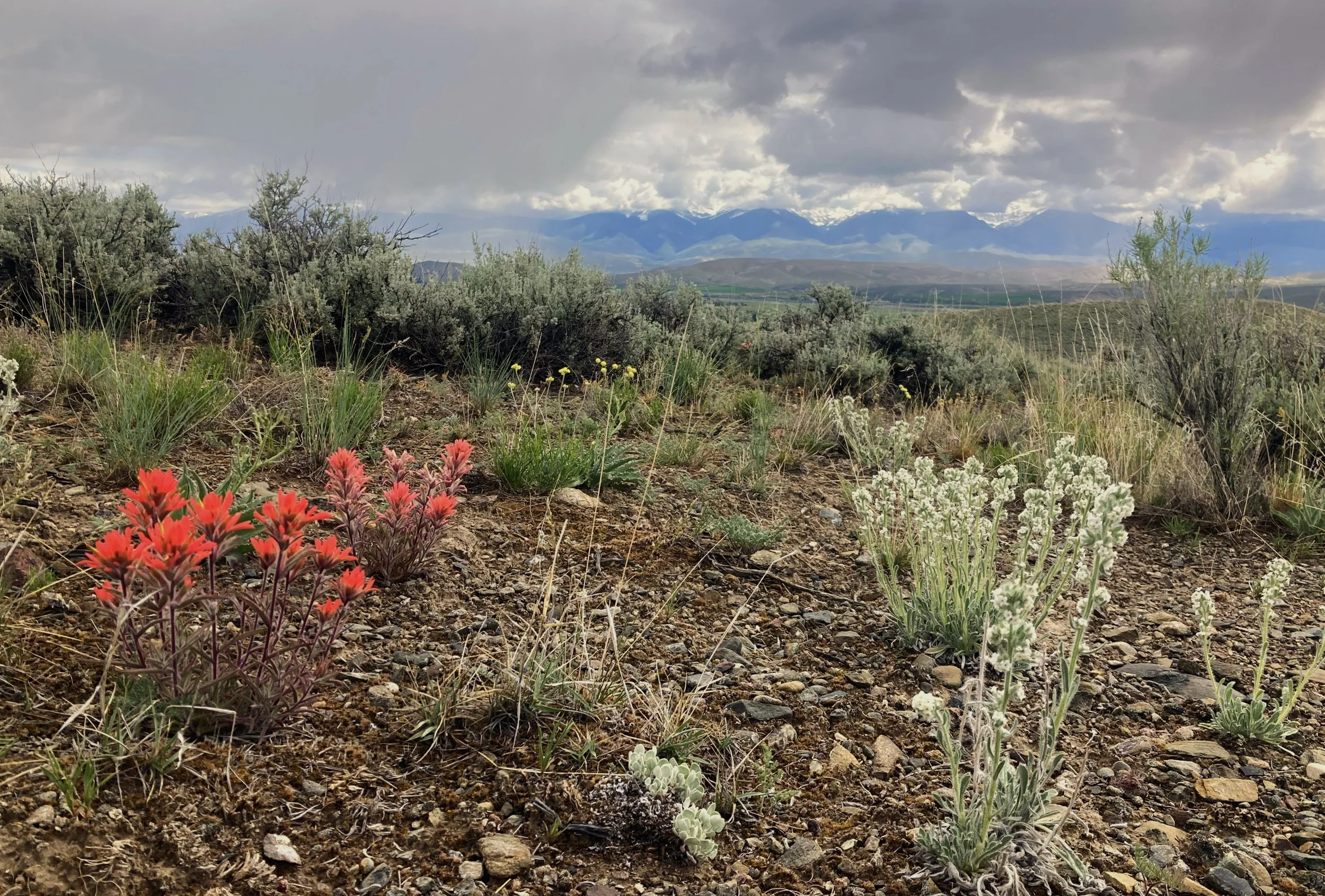
Healthy and biodiverse native plant communities are critical to the resilience of the incredible ecosystems and landscapes of East-Central Idaho, and the Native Plants Program works to improve the quality and scale of regional vegetation restoration efforts through collecting and cleaning wild seed, encouraging local growers to produce native seed, and coordinating restoration efforts with land managers.
Native Plant Restoration
Scroll down to learn more about the program, or use the links below to connect or get involved.
THE CHALLENGE:
The unique natural landscapes of East-Central Idaho were once more resistant and resilient to degradation than they are now, and they are increasingly vulnerable to serious threats like invasive plant species, changing climate patterns, and increasingly large and frequent fires. In addition to reevaluating how we use and manage this special land in light of these threats, it is increasingly important to know where and when native plant communities might need a boost via restoration. Restoring native plants is consistently difficult in these variable and dry climates, but regionally-adapted plant materials (seeds or seedlings) with high genetic diversity are the most likely to provide long-term success. However, few if any sources of locally-adapted native plants are available for our region, which limits the kind of restoration that can occur.
CREATING SOLUTIONS:
Complex challenges need complex efforts to address them, and the Native Plants Program seeks to develop a robust and targeted regional seed-sourcing and restoration infrastructure that is rooted in regional needs and economic livelihoods. By convening local expertise and understanding restoration needs across jurisdictions, the Native Plants Program is working to become a trusted go-to partner in the complex process of getting the right seed in the right place at the right time.
The Program was initiated by an agreement between the Salmon-Challis National Forest and SVS that grew out of consistent conversations within the East-Central Idaho Native Plant Communities Work Group. Now, it strives to bring specialized expertise and a flexible workforce into formal agreements with local management agencies and other practitioners who are equally invested in conserving this remarkable place from the ground up.
WHAT WE DO:
The Native Plants Program performs a variety of technical activities in support of improving native seed availability and the quality of local upland restoration. Additionally, Salmon Valley Stewardship’s focus on community outreach and education shines through in the form of educational curriculums, demonstrations, and other events that explore and celebrate native plants.
-
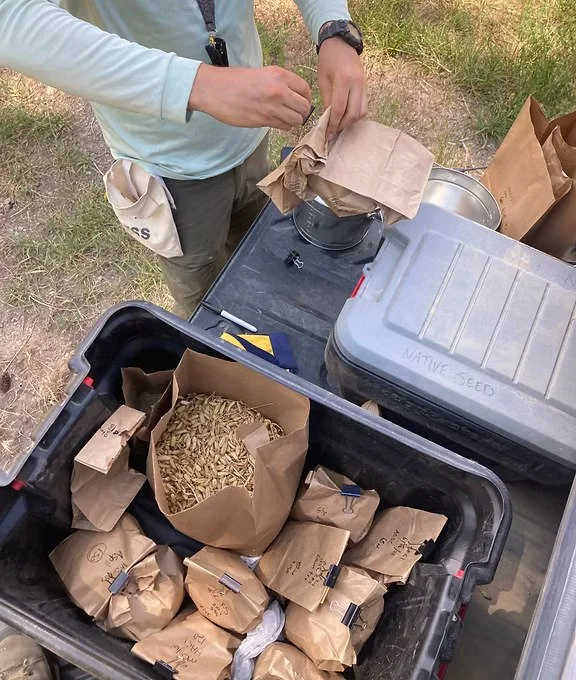
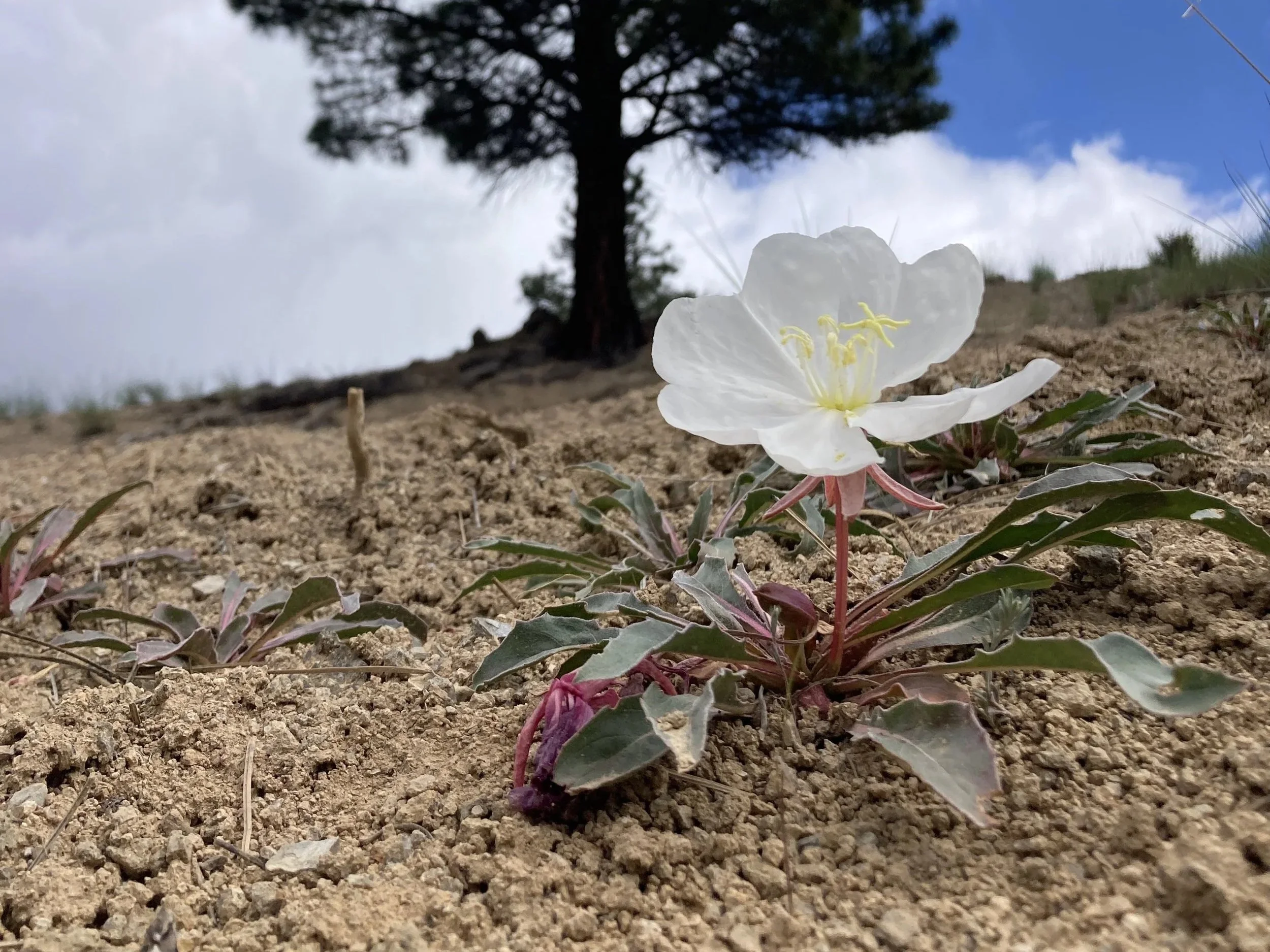
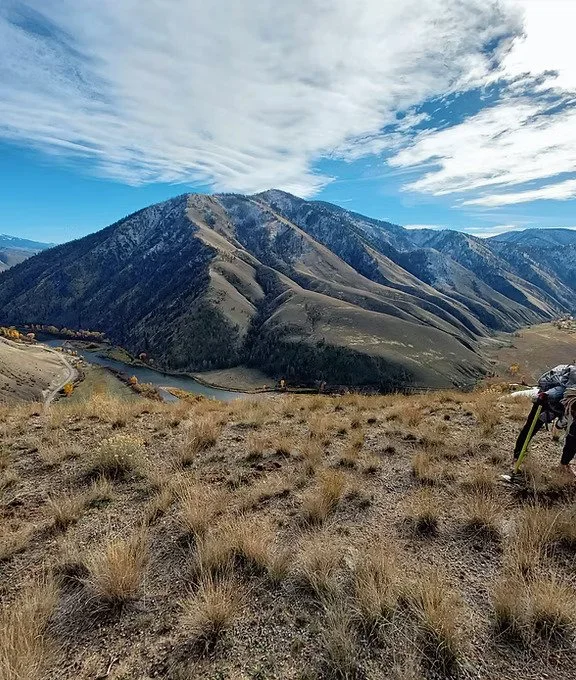
With the aim of providing locally adapted seed to restoration efforts on the Salmon-Challis National Forest, the NPP must first scout, map, and monitor populations across hundreds of local sites to know when and where to collect. Seed collection utilizes Program and partner staff, seasonal SVS technicians, and volunteers. Strict collection protocols avoid overharvesting and ensure an appropriate amount of genetic diversity is captured. The NPP’s list of target species is extensive, incorporating both early and late season forbs and grasses, as well as foundational shrubs. With each year of collecting, the NPP builds its database of local plant populations and deepens its knowledge of the local flora. To date, over 100 species have been collected.
-
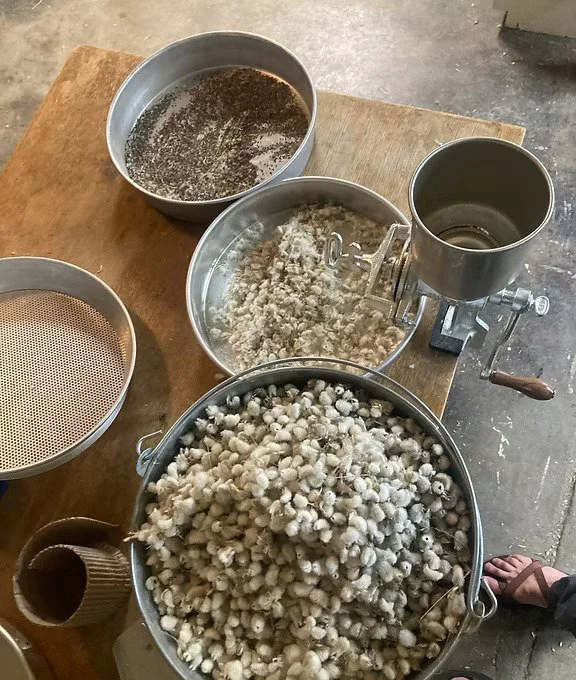
Quality restoration needs quality seed. Proper seed cleaning is required to ensure seed is dry, free of debris and weed seeds, viable, and still contains high genetic diversity. The program employs specialized and custom-built seed cleaning equipment in a dedicated facility to accomplish this task, constantly gaining know-how in dealing with a wide variety of seed types, some of which can be very tricky to clean. The workshop is also equipped with professional-grade seed dying and storage equipment to make sure seed collections remain safe and stable until they return to the landscape.
-
Native plant restoration efforts should be custom-made. The Program strives to work with partner organizations to identify sites and needs, then intentionally design restoration methods, seed mixes, and timelines while keeping key practical limitations in mind. Comprehensive restoration plans must consider past and future history and disturbance and the current plant community of the site, and also pay attention to minimizing negative interactions between species in the mix while maximizing possible benefits to wildlife and pollinators by including a range of plant types and flowering times. The Native Plants Program is only just beginning to provide this depth of planning for certain sites but endeavors to expand this component as the program grows.
WHERE WE ARE GOING
There is momentum across the country in forming regional Native Seed Partnerships to connect and energize the various components and skillsets needed to create and implement successful restoration, from seed collectors and growers to certifying agencies to federal, state, and private organizations tasked with getting plants back on the ground. In line with this, the Native Plants Program is looking to grow its engagement with others involved in restoration in the region, and wants to be a valuable and flexible partner for getting quality restoration work planned, supplied, and accomplished. Return to the top of the page to explore how you can get involved or contact us.